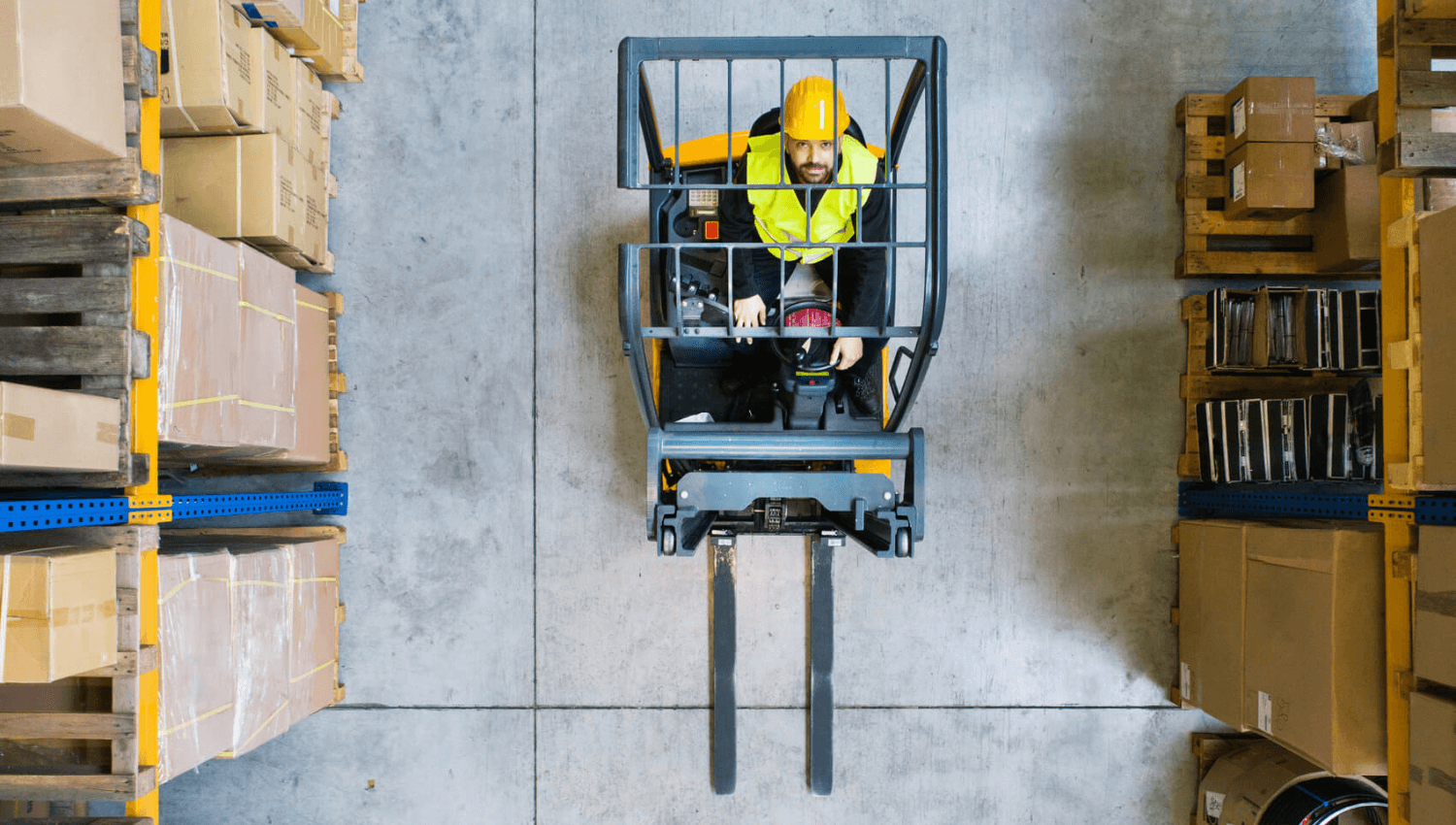
A manual forklift truck is a simple, cost-effective tool for lifting and moving heavy loads. Unlike powered forklifts, it operates using human effort and a hydraulic pump. It is widely used in warehouses, retail stores, and manufacturing units. This guide covers everything you need to know about manual forklift trucks, including features, benefits, uses, and maintenance tips.
What is a Manual Forklift Truck?
A manual forklift truck is a hand-operated material handling tool used to lift, move, and stack heavy goods without relying on fuel or electricity. It operates using hydraulic pressure generated by a hand pump, allowing workers to lift loads safely and precisely.
Manual forklifts are designed for simplicity, affordability, and sustainability. They’re ideal for small warehouses, retail stores, workshops, and light industrial environments that require reliable lifting power without high operational costs.
Because they produce zero emissions and require minimal maintenance, they are increasingly favored as eco-conscious alternatives to powered forklifts.
Key Features of Manual Forklift Trucks
Manual forklift trucks combine durability with ergonomic design. Here are the standout features that make them indispensable in modern operations:
1. Hydraulic Lifting System
A robust hydraulic pump powers the lifting mechanism, converting human effort into a strong lifting force with minimal strain.
2. Heavy-Duty Steel Frame
Built from high-grade steel, manual forklifts withstand heavy use and rough industrial environments, ensuring long-term reliability.
3. Adjustable Forks
The fork width can be adjusted to fit various pallet sizes, ensuring compatibility with multiple load types.
4. Compact and Maneuverable Design
Their compact structure allows easy movement in narrow aisles, storage rooms, or small loading areas — where powered forklifts might be impractical.
5. Versatile Load Capacity
Depending on the model, manual forklifts can handle loads from 1,000 to 5,000 pounds, making them ideal for most warehouse applications.
Applications of Manual Forklift Trucks
Manual forklifts are used across multiple industries due to their adaptability and low operational cost:
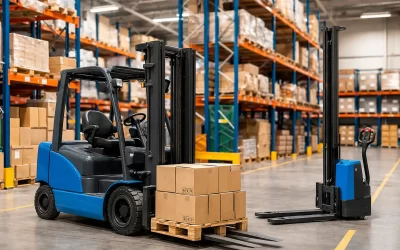
- Warehouses: Lifting and stacking pallets, organizing goods, and loading delivery trucks.
- Retail Stores: Transporting merchandise from stockrooms to sales floors efficiently.
- Manufacturing Plants: Moving raw materials and finished products between production lines.
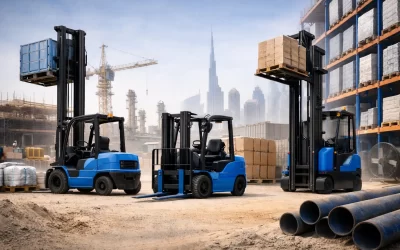
- Construction Sites: Lifting lightweight materials and tools.
- Distribution Centers: Simplifying order fulfillment and shipment preparation.
Wherever materials need to be moved quickly and safely, manual forklifts offer a practical, low-maintenance solution.
Advantages of Using a Manual Forklift Truck
Businesses choose manual forklift trucks for several strategic reasons:
Cost Efficiency
Manual forklifts are significantly more affordable than electric or diesel models — both in purchase price and ongoing costs.
Eco-Friendly Operation
Since they run without fuel or batteries, they produce no emissions and align with global sustainability goals.
Low Maintenance
No engines, electronics, or batteries means fewer parts to service, reducing downtime and maintenance costs.
Easy to Operate
Their simple hand-pump mechanism requires minimal training, making them suitable for operators at any skill level.
Excellent Maneuverability
With their tight turning radius, manual forklifts work efficiently in confined areas with limited space.
These benefits make manual forklifts a top choice for small businesses and large facilities seeking efficient, eco-conscious material handling.
How to Operate a Manual Forklift Truck Safely
Safety and proper handling are critical when operating manual forklifts. Follow these guidelines for safe, efficient use:
- Inspect Before Use: Check forks, hydraulic pumps, and wheels for any damage or leaks.
- Position Correctly: Align and adjust the forks to match the pallet or load size.
- Balance the Load: Ensure the weight is evenly distributed to prevent tipping.
- Lift Smoothly: Use the handle pump to raise the load to the desired height.
- Move with Control: Push or pull the truck slowly; avoid sharp turns or sudden stops.
- Lower the Load Safely: Release the hydraulic pressure gradually to prevent jerks.
- Store securely: Keep the forklift in a dry, designated area after use.
Following these practices minimizes the risk of accidents and keeps your operations compliant with workplace safety standards.
Maintenance Tips for Manual Forklift Trucks
Routine maintenance is essential for maximizing lifespan and performance. Here’s how to keep your forklift in peak condition:
- Inspect Regularly: Check all components before use, focusing on forks, seals, and wheels.
- Lubricate Moving Parts: Apply industrial-grade lubricants to prevent rust and ensure smooth operation.
- Clean Thoroughly: Remove dirt, grease, and debris after every shift.
- Monitor Hydraulic System: Replace or top up hydraulic oil as needed.
- Replace Worn Components: Address any wear or damage immediately to avoid major repairs
Preventive maintenance not only ensures operational efficiency but also protects worker safety and prolongs equipment life.
Common Mistakes to Avoid
To maintain efficiency and safety, avoid these common errors:
- Overloading the forklift beyond its rated capacity.
- Ignoring regular inspections or maintenance checks.
- Handling unbalanced or unstable loads.
- Moving too fast or turning abruptly while carrying loads.
- Operating on uneven surfaces or slopes.
Preventing these mistakes safeguards both personnel and equipment, reducing operational risks.
Why Choose a Manual Forklift Truck for Your Business
A manual forklift truck is more than just a lifting device — it’s an investment in reliability, safety, and sustainability. It provides small and large businesses alike with a flexible and affordable way to improve material handling efficiency.
By integrating manual forklifts into your workflow, you can:
- Reduce fuel and energy costs.
- Minimize environmental impact.
- Improve productivity in tight spaces.
- Simplify operator training.
If you manage a warehouse, factory, or retail operation, a manual forklift truck is a smart, long-term solution for your lifting needs.
Frequently Asked Questions (FAQ) About Manual Forklift Trucks
1. What is a manual forklift truck used for?
A manual forklift truck is used to lift, move, and stack heavy materials in warehouses, retail stores, and manufacturing units. It’s ideal for short-distance material handling, loading goods onto pallets, or organizing inventory without using fuel or electricity.
2. How does a manual forklift truck work?
A manual forklift operates through a hydraulic pump system powered by hand. When the operator pumps the handle, hydraulic pressure lifts the forks and raises the load. To lower it, the operator releases the pressure gradually for a smooth descent.
3. What is the lifting capacity of a manual forklift truck?
Most manual forklifts can lift between 1,000 and 5,000 pounds (450 – 2,200 kg), depending on the model and design. Always check the manufacturer’s specifications before operating to avoid overloading.
4. What are the advantages of using a manual forklift truck?
Manual forklifts are cost-effective, eco-friendly, and easy to maintain. They don’t require fuel or batteries, making them ideal for small warehouses and businesses seeking a sustainable and affordable lifting solution.
5. How do I operate a manual forklift truck safely?
Before using a manual forklift:
- Inspect forks, hydraulics, and wheels.
- Center and balance the load properly.
- Move slowly, avoiding sharp turns.
- Never exceed the rated load capacity.
- Lower the load carefully before parking. Following these steps prevents accidents and extends the life of your equipment.
6. How often should a manual forklift truck be maintained?
It’s recommended to perform basic inspections daily and comprehensive maintenance every three to six months, depending on usage. Regular maintenance should include checking hydraulic oil, lubricating joints, and replacing worn-out parts.
7. What’s the difference between a manual and electric forklift?
A manual forklift is powered entirely by human effort through hydraulic pressure, while an electric forklift uses a battery-operated motor. Manual forklifts are cheaper, lighter, and easier to maintain, but electric forklifts are better for higher lifting capacities and frequent use.
8. Is a license required to operate a manual forklift?
Generally, no special license is required to operate a manual forklift, as it’s not motorized. However, employers should still provide training in safe handling and load management to comply with workplace safety standards.
9. How can I choose the right manual forklift truck for my business?
Consider your load requirements, working space, floor surface, and usage frequency. For narrow aisles, choose a compact design. For heavier loads, select a model with higher hydraulic capacity and reinforced forks.
10. Where can I buy high-quality manual forklift trucks in the UAE?
You can purchase durable and affordable manual forklift trucks from Aras Handling Equipment, a trusted supplier of industrial and warehouse lifting solutions across the UAE. Contact them for expert advice, model recommendations, and maintenance support.