Ride-on and walkie pallet stackers
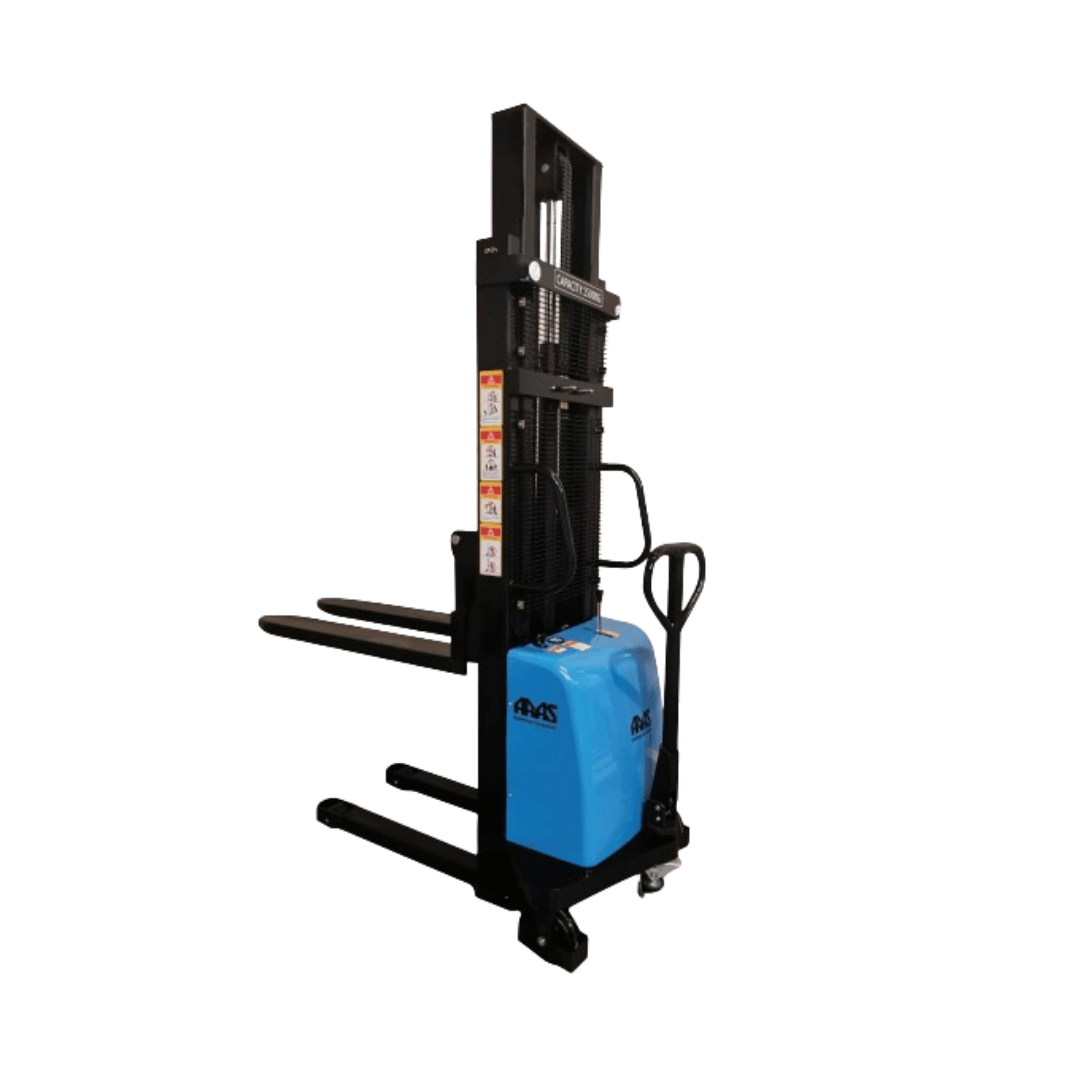
Electric pallet stackers sit between a powered pallet truck and a forklift: they lift palletised loads to racking height under battery power, without the cost or footprint of a counterbalance forklift.
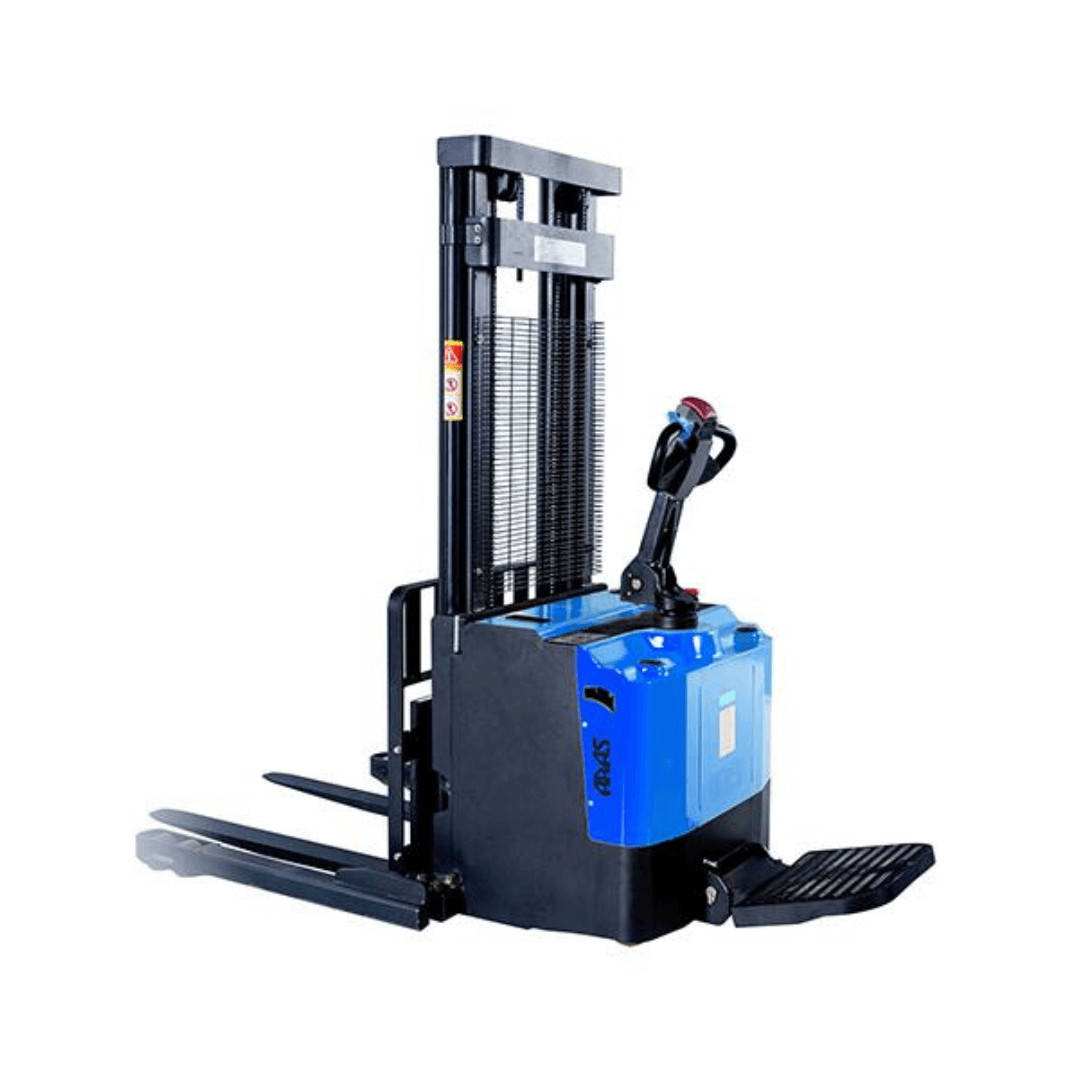
Between a pallet truck and a forklift
Electric pallet stackers sit between a powered pallet truck and a forklift: they lift palletised loads to racking height under battery power, without the cost or footprint of a counterbalance forklift. ARAS supplies the full range, from walk-behind (walkie) models for tight stockrooms to ride-on machines for long runs in large distribution centres. This page explains the difference so you can match the machine to the job.
Why choose an electric pallet stacker?
Electric stackers have largely replaced manual and engine-driven equipment for indoor stacking, and for good reason. They run clean with no exhaust, they are quiet, and the battery and electric drive cost far less to run than fuel. They also take the physical effort out of lifting to height, which matters for both productivity and operator safety on a busy floor.
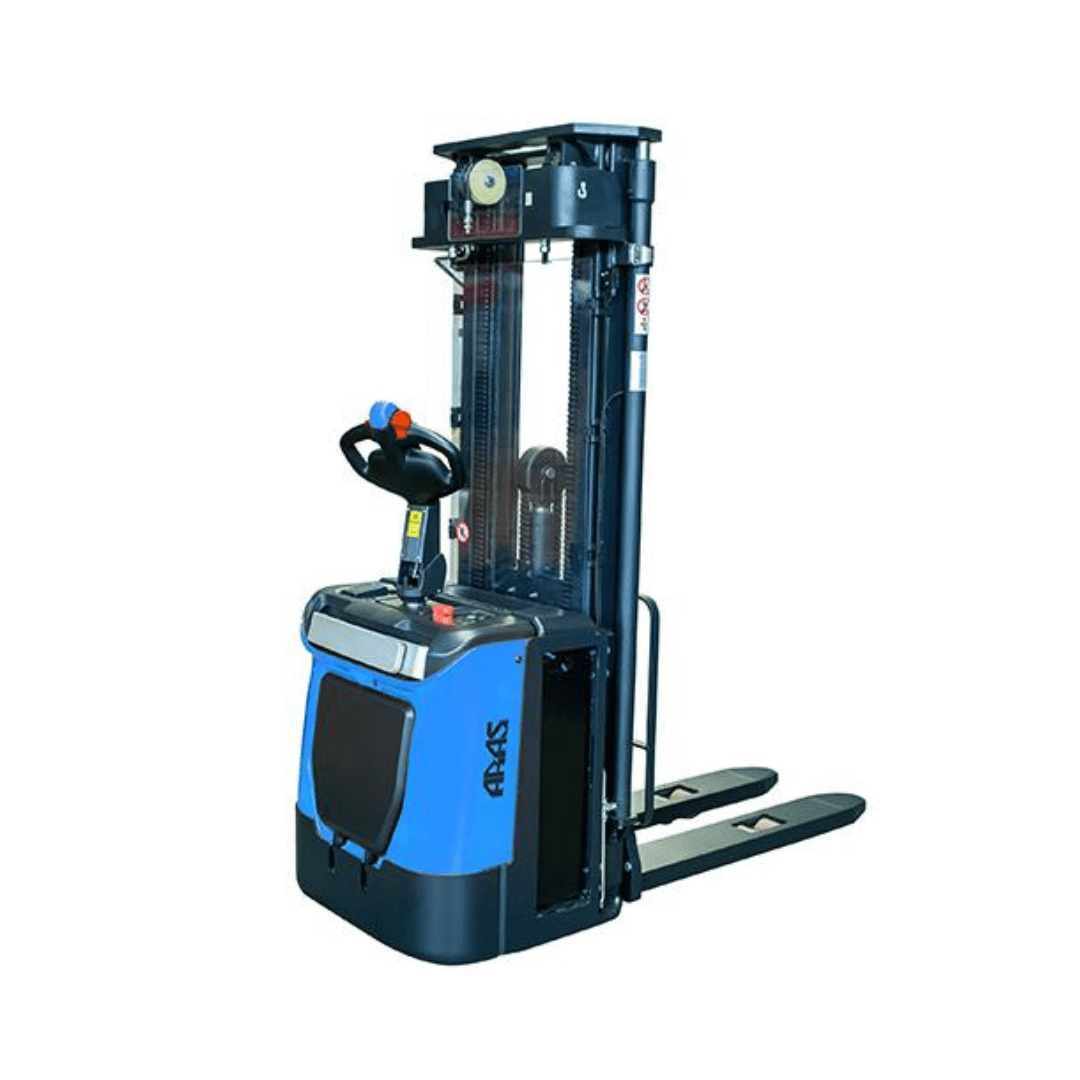
Ride-on electric pallet stacker
The ride-on stacker is built for larger operations that move heavy loads over distance. The operator rides on a platform or in a seated position, which keeps them fresh on long shifts and lets the machine travel faster than a walk-behind. Expect higher load capacities, a comfortable operator position with clear controls, and smooth, precise handling from the AC drive. It is the right choice for warehouses, manufacturing plants and distribution centres where the stacker is in near-constant use.
Walkie electric pallet stacker
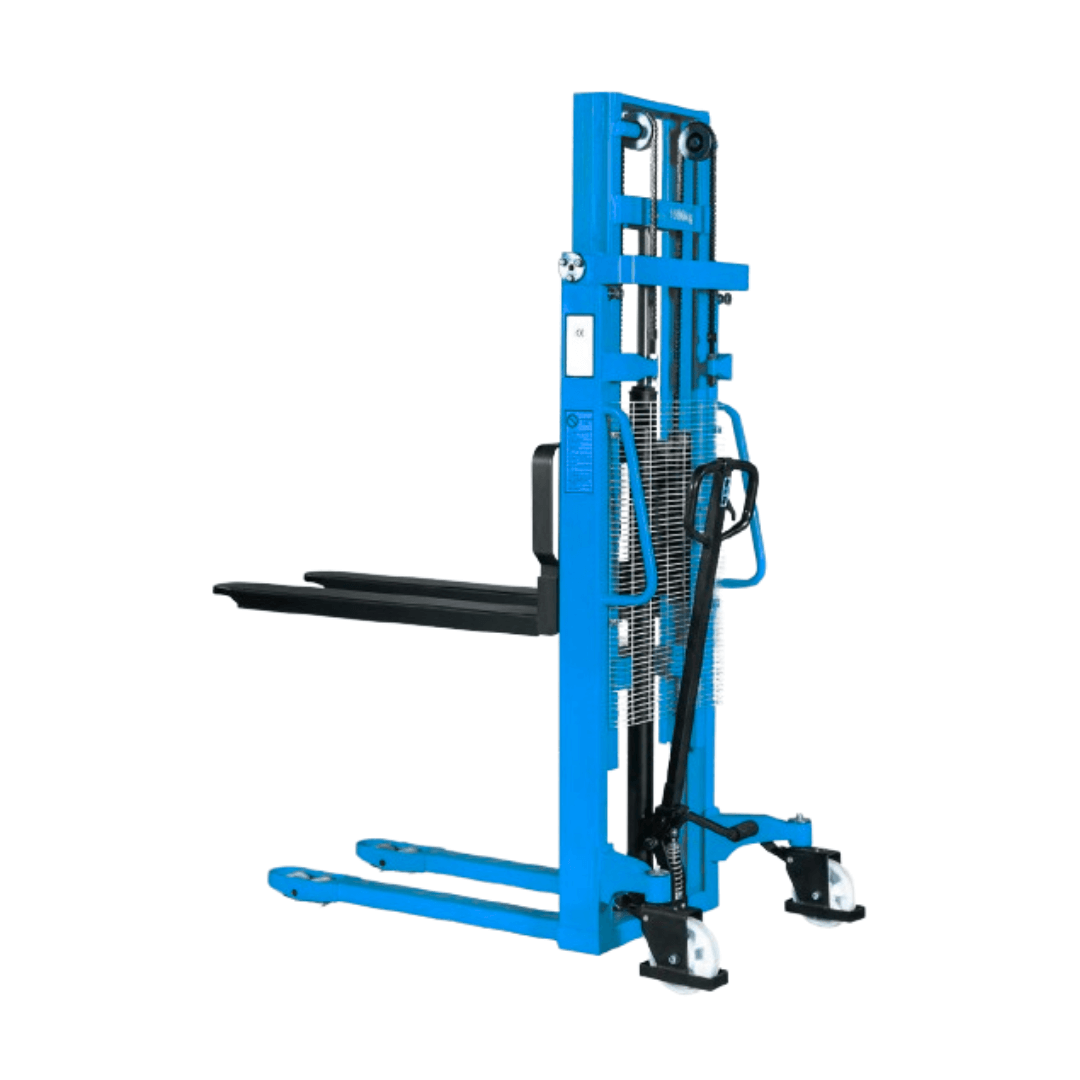
The walkie stacker is the compact option for smaller sites and frequent short moves. The operator walks behind it on the tiller, so it takes up little room and is easy to learn. It suits small warehouses, retail stockrooms and lighter loads, and works well where aisles are tight or a ride-on machine would be too much. When duty cycles are light to moderate, a walkie keeps the cost down without giving up powered lifting.
In short, choose a ride-on stacker when you are moving heavy loads over distance for most of the shift, and a walkie when space is tight or lifting is occasional. If you are not sure which fits, tell us your loads, aisle widths and how often you stack, and we will recommend the right model. Contact us for pricing or a demo.
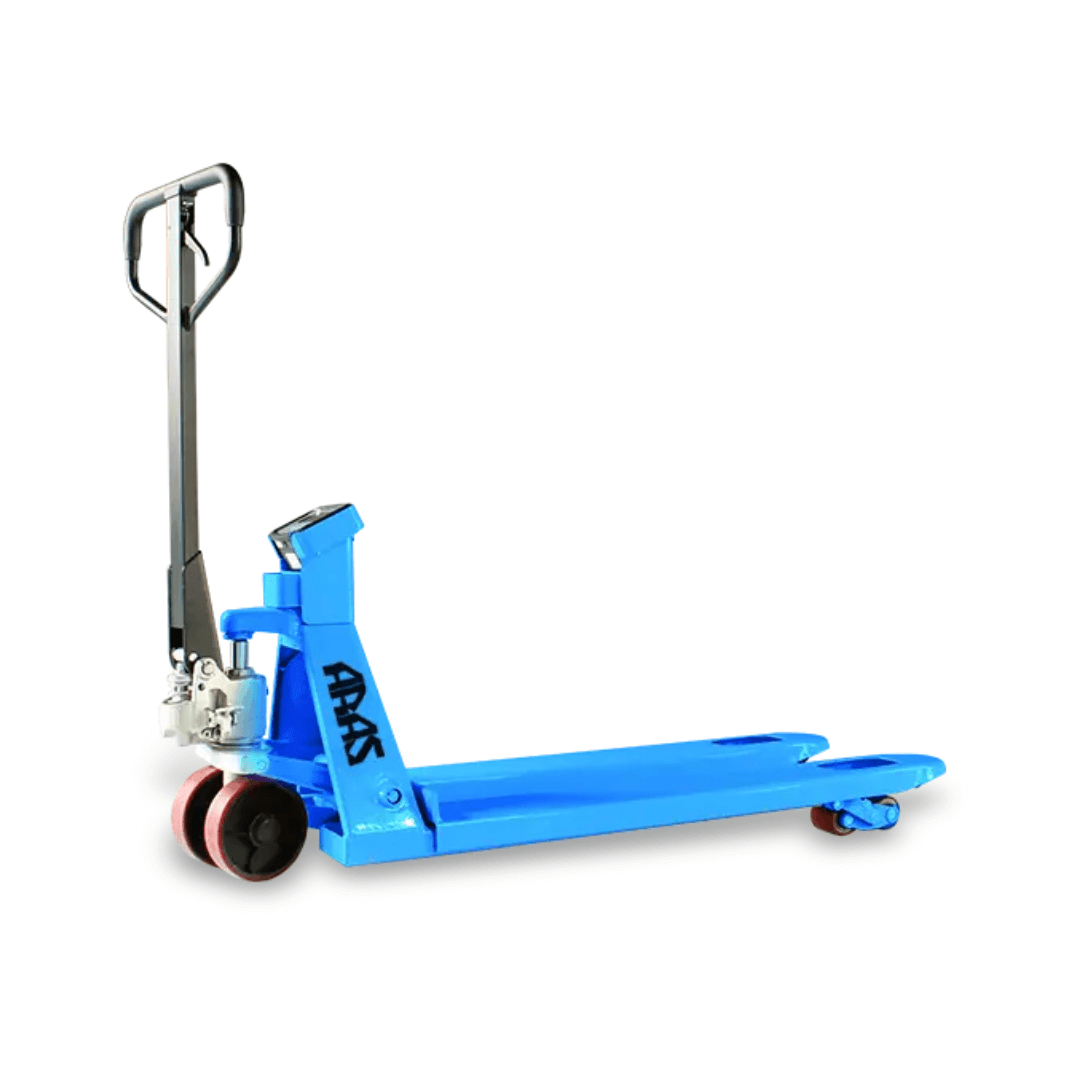
Walkie vs ride-on: which stacker suits you
Electric pallet stackers come in two main forms. Here is the quick comparison, tell us your travel distances, aisle widths and running hours and we will point you to the right one. And if your pallets sit in deeper racking where the forks need to reach into the bay, look at the electric reach stacker instead of pushing a pallet stacker beyond its comfort zone.
| Feature | Walkie (pedestrian) | Ride-on |
|---|---|---|
| Operator position | Walks behind the unit | Rides on a platform |
| Best suited to | Smaller sites, steady pace, tight aisles | Long travel distances, high throughput |
| Typical capacity | 1.5 to 2 tonnes | 1.5 to 2 tonnes |
| Powered lift and drive | Yes | Yes |
| Turning circle | Tighter | Slightly larger |
| Relative cost | Lower | Higher |
| Main benefit | Compact and affordable | Saves walking, lifts throughput |
Frequently Asked Questions
Walkie or ride-on stacker: which do I need?
Why electric rather than fuel-powered?
How high will a pallet stacker lift?
Do you supply and service across the UAE?
Customers We Served











Related equipment
Tell us what you need to move
Send the load, the lift height and the aisle width you are working with, and ARAS will come back with the right model, current stock and a delivered price.