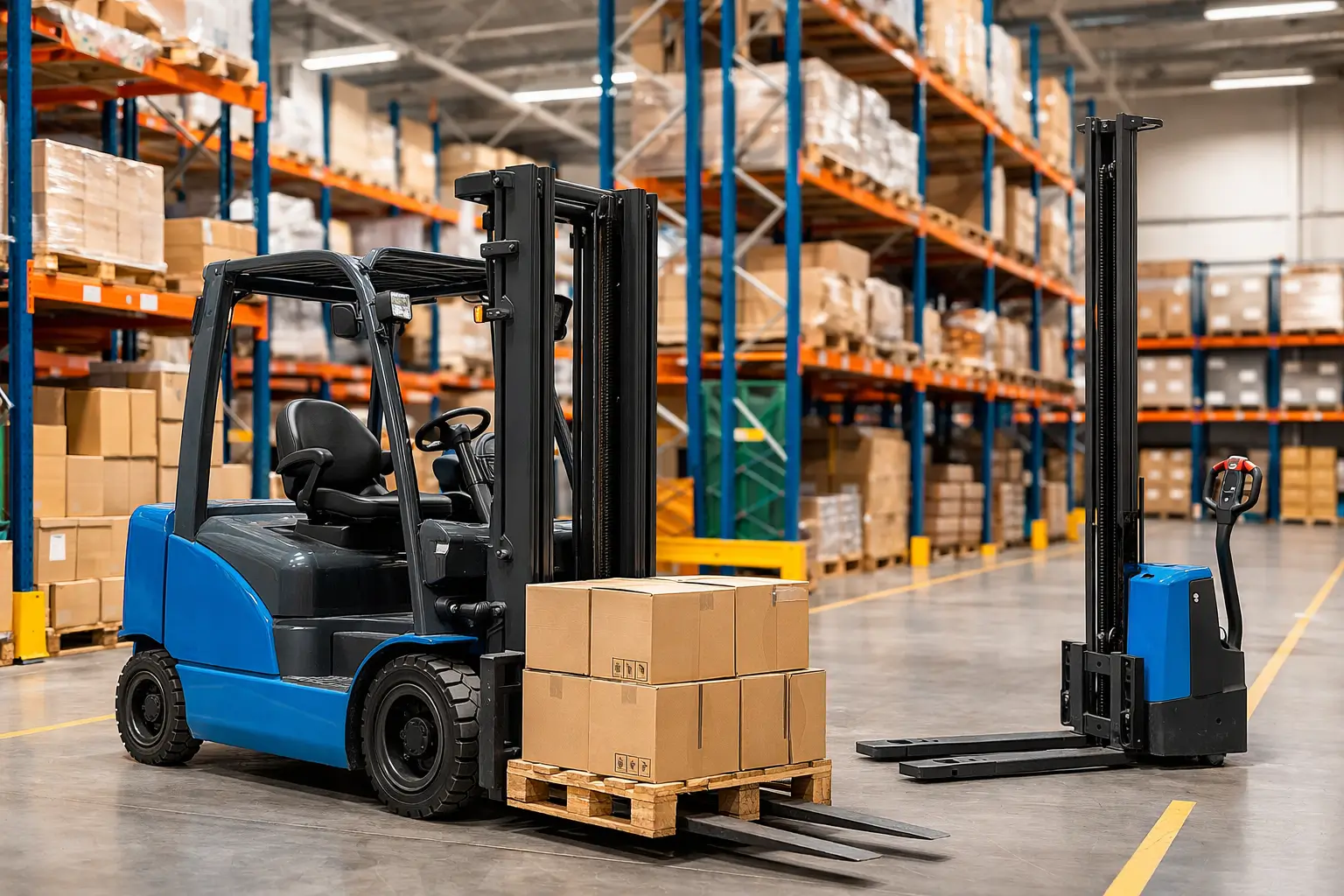
In small to medium warehouses, space is limited and operational budgets are closely monitored. Equipment selection must be aligned with storage layout, load volume, and daily workflow. When internal material movement is evaluated, electric forklifts vs pallet stackers is a comparison that is often considered by warehouse managers when selecting the most suitable material handling equipment.
Both machines are widely used in warehouse operations. However, their capabilities, lifting heights, maneuverability, and cost structures differ significantly. A clear understanding of these differences is required before an investment is made.
Understanding Electric Forklifts
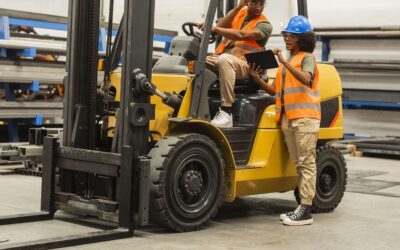
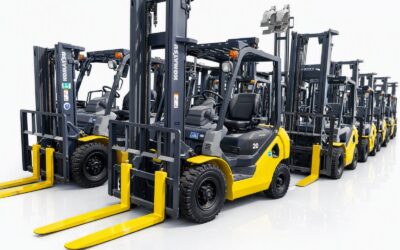
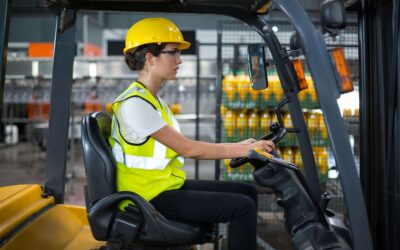
Electric forklifts are powered by rechargeable batteries. They are designed to lift and transport heavier palletized loads across warehouse floors. Because internal combustion engines are not used, emissions are eliminated, and indoor air quality is maintained.
Key Features of Electric Forklifts
- Battery powered operation is provided
- Higher load capacities are supported
- Seated operator configuration is common
- Faster travel speeds are achieved
- Suitable for both indoor and light outdoor use
In many warehouses, electric forklifts are used for loading and unloading trucks, transporting pallets over longer distances, and stacking goods at moderate to high levels.
Advantages of Electric Forklifts in Small to Medium Warehouses
When warehouse operations involve higher throughput and heavier loads, electric forklifts may offer efficiency advantages.
Strengths Include
- Greater lifting capacity for bulk goods
- Improved speed for frequent transport cycles
- Enhanced stability when handling large pallets
- Operator comfort during extended shifts
- Reduced noise levels compared to fuel powered machines
In facilities where daily pallet movement is high, productivity gains can be achieved through faster load handling.
Limitations of Electric Forklifts
Despite their benefits, certain limitations must be considered in smaller warehouse environments.
- Larger turning radius may be required
- Wider aisles must be maintained
- Higher upfront investment is involved
- Battery charging infrastructure must be installed
If floor space is restricted, maneuverability may become a challenge.
Understanding Pallet Stackers
Pallet stackers are compact material handling machines designed primarily for lifting and stacking pallets at moderate heights. They are commonly used in retail storage rooms, small warehouses, and light distribution centers.
Manual, semi electric, and fully electric models are available. In most small to medium warehouse settings, electric pallet stackers are preferred due to ease of operation.
Key Features of Pallet Stackers
- Compact and lightweight design is provided
- Walk behind operation is common
- Moderate lift heights are supported
- Lower load capacities are typical
- Narrow aisle operation is possible
Because of their smaller footprint, pallet stackers are often selected for tight warehouse layouts.
Advantages of Pallet Stackers in Small Warehouses
In space constrained facilities, pallet stackers may offer significant operational advantages.
Strengths Include
- Reduced aisle width requirements
- Lower purchase cost compared to forklifts
- Minimal training requirements
- Lower maintenance complexity
- Easier storage when not in use
For operations where loads are lighter and travel distances are short, pallet stackers may be sufficient.
Limitations of Pallet Stackers
Although efficient in compact environments, pallet stackers are not designed for heavy duty warehouse demands.
- Lower lifting capacity is supported
- Slower travel speed is common
- Operator fatigue may occur during long shifts
- Outdoor usage is limited
If warehouse growth is anticipated, capacity constraints may be encountered.
Space Utilization and Maneuverability
In small to medium warehouses, aisle width plays a major role in determining storage density when comparing electric forklifts vs pallet stackers for material handling operations.
Electric Forklifts
- Wider aisles are generally required
- More turning clearance must be allocated
- Greater floor space is consumed
Pallet Stackers
- Narrow aisle configurations are supported
- Higher storage density can be achieved
- Tight corners can be navigated more easily
When maximizing rack rows is a priority, compact equipment may improve layout efficiency.
Load Capacity and Lift Height Comparison
Operational requirements must be carefully matched with machine capabilities when evaluating electric forklifts vs pallet stackers for warehouse operations.
Electric Forklifts
- Heavy loads can be lifted safely
- Higher stacking heights are supported
- Multi shift operations can be handled
Pallet Stackers
- Light to moderate loads are recommended
- Moderate lift heights are typical
- Best suited for short duration tasks
If heavy inventory such as bulk materials or large pallet loads is handled daily, electric forklifts may provide better long term value.
Operating Costs and Maintenance
Budget considerations are often critical in small to medium warehouse management, especially when comparing electric forklifts vs pallet stackers for cost-efficient material handling operations.
Electric Forklifts
- Higher initial investment is required
- Battery replacement costs must be planned
- Maintenance systems are more advanced
Pallet Stackers
- Lower purchase price is common
- Maintenance requirements are simpler
- Energy consumption is typically lower
Over time, cost efficiency should be calculated based on workload intensity and expected usage hours.
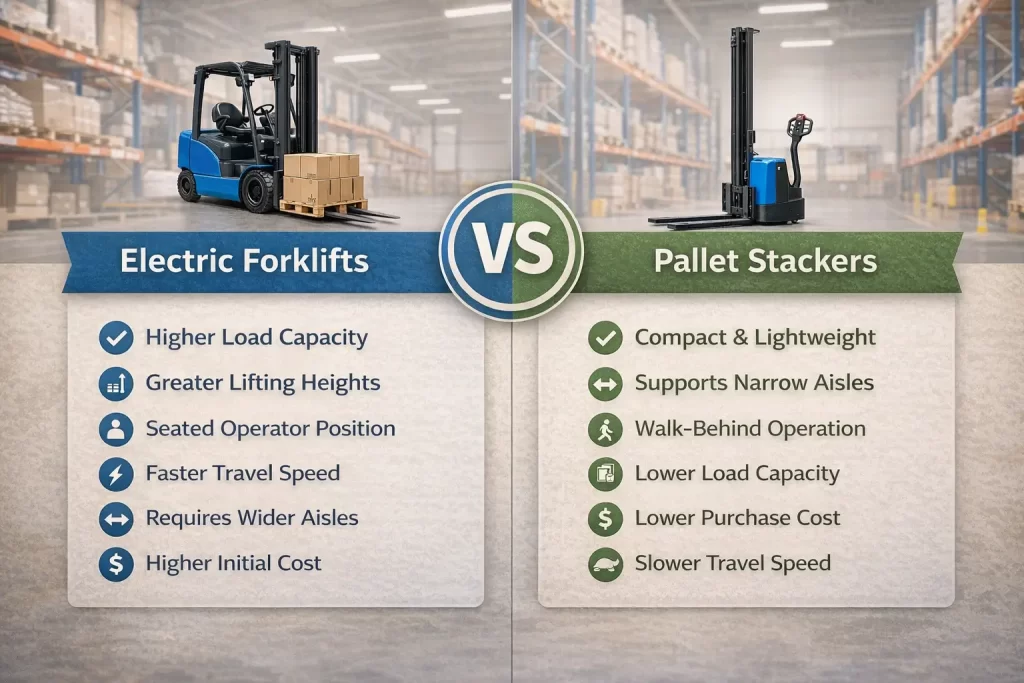
Which Option Is Right for Small to Medium Warehouses: Electric Forklifts vs Pallet Stackers?
The right choice depends on operational scale, storage height, and load volume.
Electric forklifts are often preferred when:
- Heavy pallets are handled daily
- Truck loading and unloading is frequent
- Higher stacking levels are required
- Productivity speed is critical
Pallet stackers are often preferred when:
- Warehouse space is limited
- Loads are relatively light
- Budget constraints are significant
- Daily handling volume is moderate
Final Decision Factors
Before equipment is selected, the following should be evaluated:
- Average pallet weight
- Maximum lift height required
- Available aisle width
- Daily operating hours
- Long term warehouse growth plans
When operational needs are clearly defined, the appropriate equipment can be selected with confidence.
In small to medium warehouses, pallet stackers may offer space efficiency and cost savings for light duty tasks. However, when heavier loads and higher throughput are involved, electric forklifts are often considered the more capable and scalable solution.
Careful planning ensures that warehouse productivity, safety, and long term cost efficiency are balanced effectively.
Many warehouse managers also review industry safety recommendations and operational guidelines from authorities like the Occupational Safety and Health Administration when planning equipment upgrades and workflow improvements.